In today’s fast-paced world, the allure of homesteading offers a tranquil escape—a return to a more natural way of life, grounded in self-sufficiency and harmony with the earth. Homesteading isn’t just a lifestyle; it’s a calling to slow down and connecting with the natural systems around us. It’s about nurturing a deep bond with the land, fostering sustainability, and embracing the satisfaction of independence. If you’ve ever felt drawn to the idea of living closer to nature, cultivating your own food, then homesteading might just be the perfect fit for you. Here’s how to embark on your homesteading journey:
1. Clarify Your Goals
Before delving into homesteading, take a moment to clarify your goals. What do you hope to achieve through homesteading? Are you interested in growing your own food, raising animals, or simply living a more sustainable lifestyle? Understanding your motivations will help you stay focused and inspired as you begin your homesteading adventure.
Consider documenting your goals and newfound knowledge in a Homesteading Journal. Steve finds delight in jotting down the dates he plants vegetables, the names of intriguing new seed varieties he’s testing out, the expenses for boiler chicken feed, noteworthy weather patterns, as well as any new insights and achievements. It proves invaluable to glance back at the prior year for planting, harvesting, or butchering dates. Moreover, there’s a profound satisfaction in flipping through the pages and reflecting on the journey from inception. Embracing both triumphs and setbacks, along with the joy of acquiring fresh wisdom, adds depth to the experience.

2. Assess Your Resources
Homesteading requires careful planning and consideration of resources. Take stock of what you have available—land, finances and time.
Land: Do you currently have access to land suitable for homesteading? Can you envision transforming your existing lawn into a productive space? If not, consider reaching out to a neighbour, friend, or family member to explore the possibility of utilizing a portion of their property or lawn. Alternatively, keep an eye out for vacant or unused land in your neighbourhood—perhaps you could inquire about renting it from the owner to kickstart your project.
Finances: Are you able to think creatively within your budget? Homesteading embodies sustainability by reusing or repurposing items you may already have. Consider purchasing items second-hand from Garage Sales, Facebook Marketplace, or Kijiji. Keep an eye out for opportunities to obtain free soil, compost, and mulch through giveaways from your city! (Link to City of Hamilton’s Compost Giveaways) Growing a garden or raising a few layer hens is achievable with a minimal budget. Think: free wood pallets, borrowing tools, and repurposing items from your home for chicken waters and feeders.
Time: How much time can you dedicate to your homesteading aspirations? Consider the hours available for tending to your land, whether it’s at home or on rented/borrowed property. Remember, it’s called Homesteading for a reason! If your evenings and weekends are occupied with activities like hockey games or traveling for competitive sports, strategize and plan your homesteading goals around your existing schedule. Even I need to remind myself of this annually when planning our Roma Tomato patch. For instance, canning season for diced tomatoes always coincides with the hectic first week of school in September for me. Consequently, we keep our Roma Tomato patch small in size and prioritize enjoying them fresh.
3. Start Small
Homesteading is a journey, not a destination, and it’s okay to start small. Begin with manageable projects that align with your goals and resources. Whether it’s planting a small herb garden on a balcony, reimagining a front lawn with a small vegetable garden bed, a few raspberry bushes along the side of your house, keeping backyard chickens for fresh eggs, or learning to preserve food through canning, start with activities that feel achievable and gradually expand from there.
4. Educate Yourself
Homesteading requires a diverse set of skills, from gardening and animal care to food preservation and DIY projects. Take the time to educate yourself through books (Free at the Library!), homesteading blogs, YouTube tutorials and hands-on experience. Seek out workshops, local homesteading groups and Facebook Groups to learn from others’ experiences and exchange knowledge. Remember, every skill you acquire brings you one step closer to self-sufficiency.
5. Embrace Sustainability
At the heart of homesteading lies the principle of sustainability—living in harmony with the land and minimizing your environmental impact. Embrace practices such as composting, rainwater harvesting, naturalized lawns and preserving (canning or freezing) food to reduce waste and conserve resources. Aim to create a self-sustaining ecosystem where nothing goes to waste, and every resource is utilized to its fullest potential. For example, we use our soiled chicken bedding from the chicken coop to make rich compost for the garden. In turn, our chickens eat our garden scraps and food waste…..making more manure for the compost pile!
7. Be Patient and Flexible
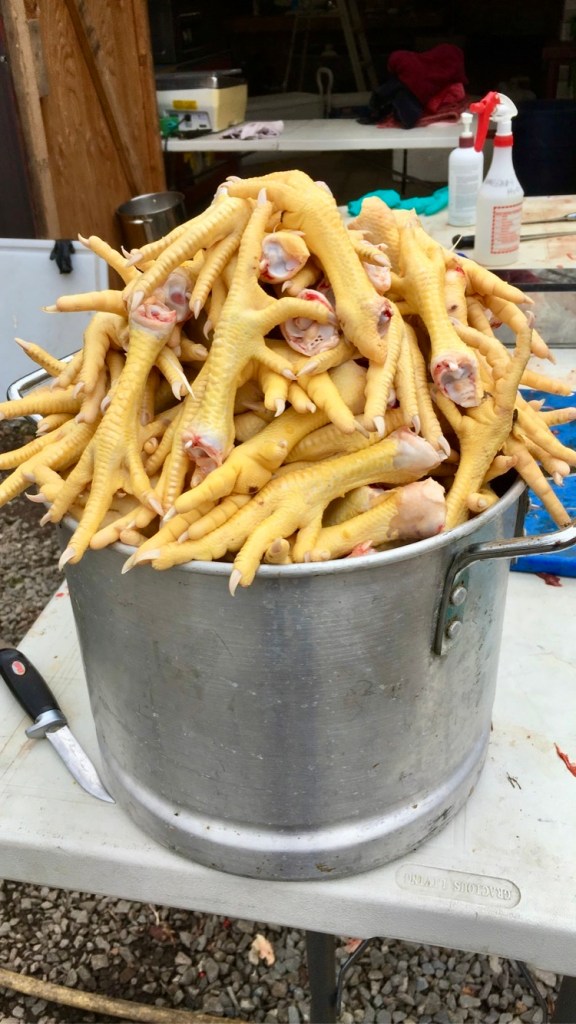
Homesteading is a journey filled with challenges and triumphs. Be prepared to encounter setbacks, learn from mistakes (….many mistakes!), and adapt to changing circumstances. Practice patience and resilience as you navigate the ups and downs of homesteading. Remember that every obstacle is an opportunity for growth, and every success is a cause for celebration. For instance, during one of our first years of raising broiler chickens (chickens raised for meat) we accidentally had their heat lamp raised too high. We thought that the chickens were enjoying snuggling in tight together, but unfortunately the chicks were overcrowding each other, and some were suffocating. We heartbreakingly lost a few chicks in the early days because of this and had to learn the hard way about the heat lamp height.
8. Enjoy the Journey
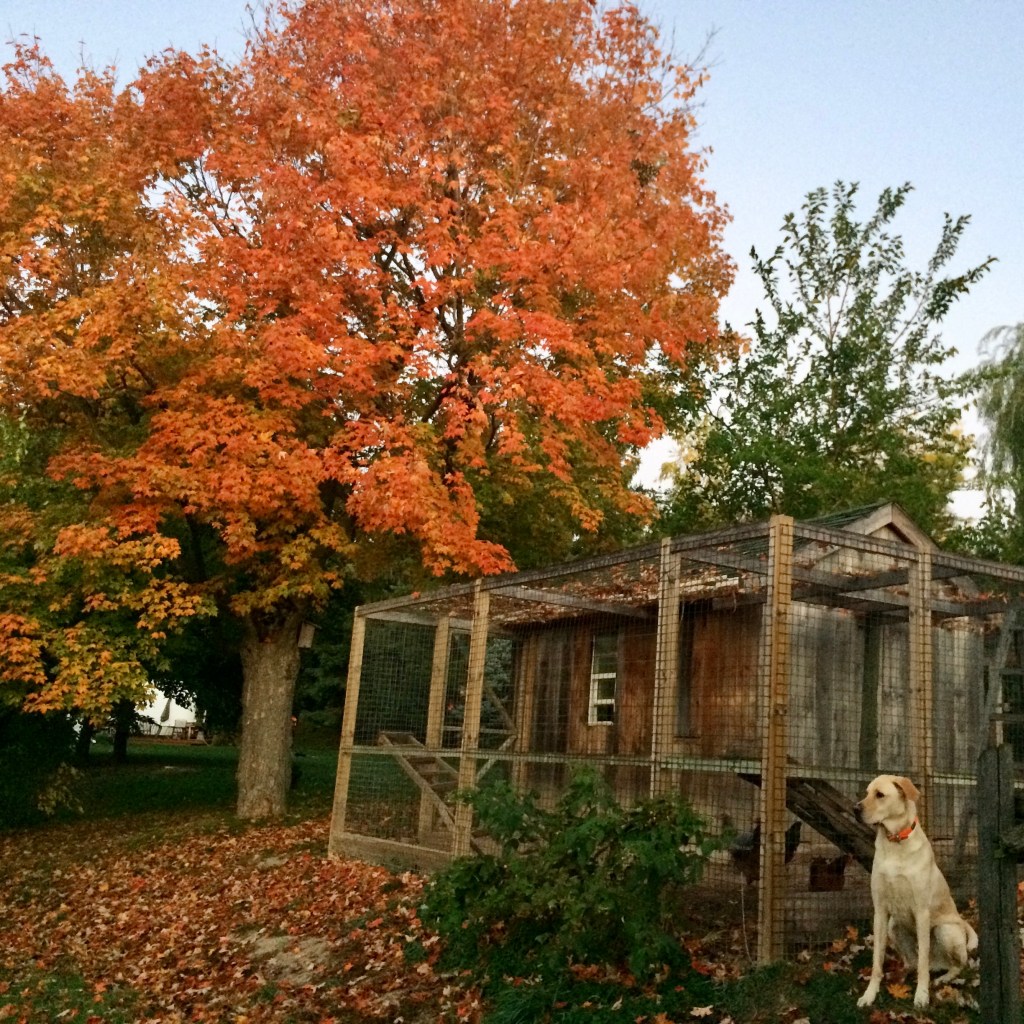
Above all, homesteading is about enjoying the process of living close to the land and embracing a simpler, more intentional way of life. Take time to savor the beauty of nature, relish the fruits of your labor, and find joy in the everyday moments. Whether it’s harvesting your first homegrown tomato, gathering eggs from the henhouse, or sharing a meal made from garden-fresh ingredients, treasure the experiences that make homesteading so fulfilling.
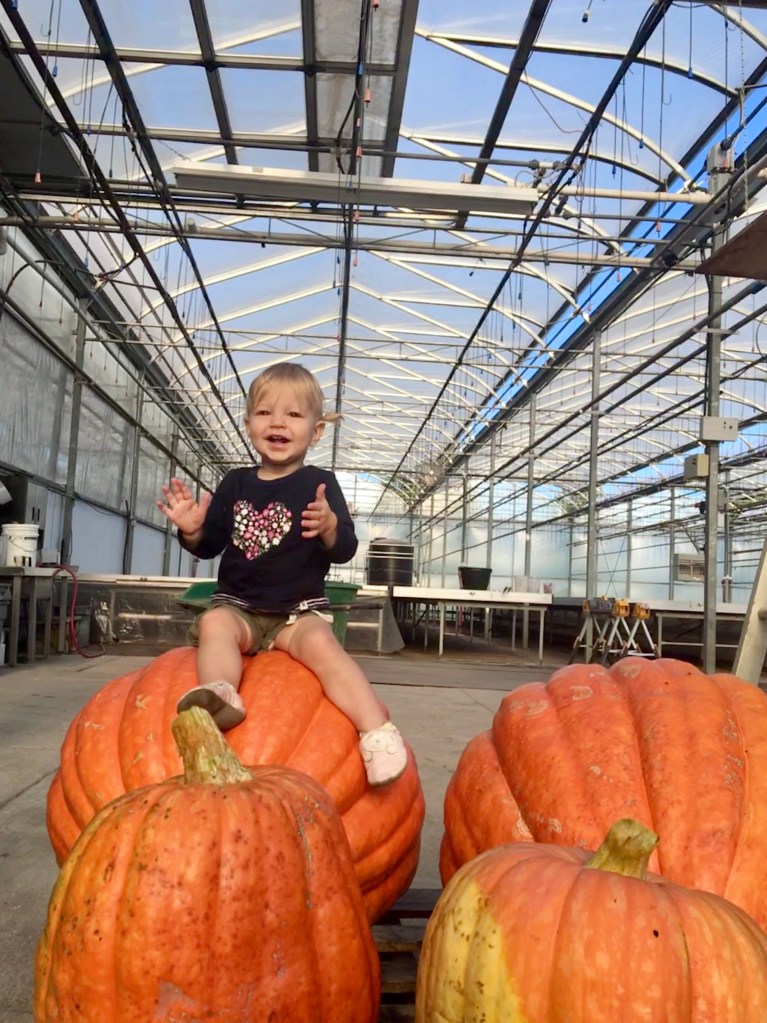
So, as you dream and plan for the year ahead, may your homesteading endeavors be filled with growth, abundance, and a deep connection to the world around you!
Leave a comment below letting us know: What are you feeling inspired to explore or experiment with this year? What does your dream outdoor or garden space look like? What have you been interested in learning more about on your homesteading journey? What first step do you plan to take?
Would love to hear what you’re are dreaming and planning this year!

 Black Maple Barn
Leave a comment